

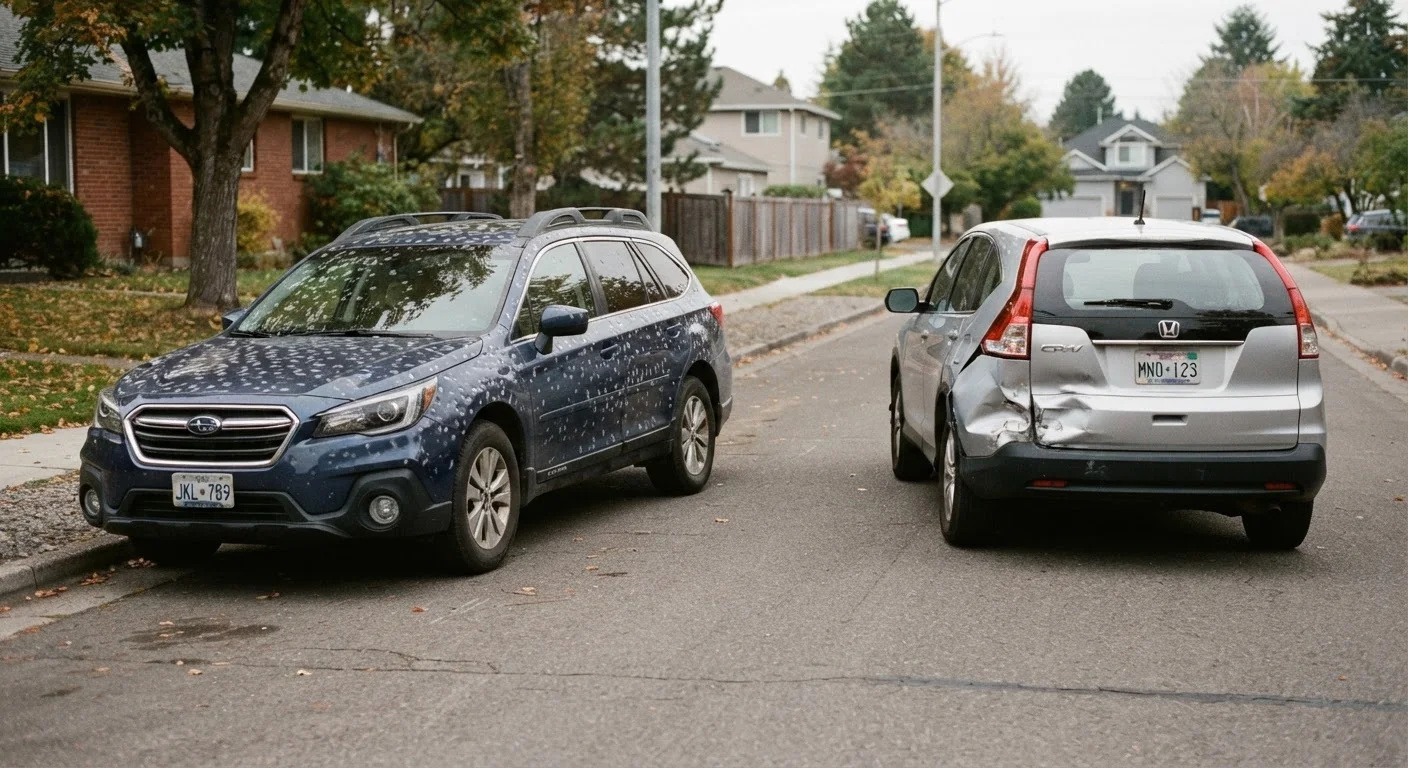
Key Takeaways
- Comprehensive covers damage from events outside your control, such as theft, weather, and animal strikes.
- Collision covers damage to your vehicle from crashing into another car or object, regardless of fault.
- Neither coverage is legally required by most states, but lenders typically require both on financed or leased vehicles.
- Deductibles apply to both types - the amount you choose directly affects your premium.
- Dropping either coverage on an older, lower-value vehicle may make financial sense depending on your situation.
Option A
Comprehensive Coverage
The coverage for damage outside your control.
Best for: Drivers who want protection against weather, theft, vandalism, and other non-collision events.
Option B
Collision Coverage
The coverage for damage from impact.
Best for: Drivers who want their insurer to pay for vehicle repairs after a crash, regardless of fault.
If you drive in an area with high hail, flood, or vehicle theft risk
Comprehensive Coverage
Non-collision events like weather and theft are only covered by comprehensive - collision won't help in those scenarios.
If you drive frequently in heavy traffic or on highways with high accident risk
Collision Coverage
Collision pays for vehicle repairs after an at-fault accident where the other party's liability coverage won't apply to your own car.
If you're financing or leasing your vehicle
Both Comprehensive and Collision Coverage
Lenders and leasing companies almost universally require both coverages to protect their financial interest in the vehicle.
If you own an older vehicle outright with a low market value
Neither may be cost-effective
When your annual premium for both coverages approaches or exceeds the vehicle's actual cash value, carrying them may not be financially worthwhile.
The Core Distinction: What Triggers Each Coverage
Comprehensive and collision coverage are often bundled together on insurance declarations pages, which leads many drivers to assume they work the same way. They don't. The key difference is what causes the damage.
Comprehensive coverage pays out when your vehicle is damaged by something other than a collision. That includes theft, vandalism, fire, flooding, hail, falling objects (like a tree branch), and animal strikes - hitting a deer, for example, is a comprehensive claim, not a collision claim.
Collision coverage pays out when your vehicle is damaged by impact - hitting another vehicle, backing into a pole, or rolling over. Fault generally doesn't affect whether collision pays; what matters is that your car sustained impact damage. If the other driver is at fault and insured, their liability coverage may pay instead, but your collision coverage exists as a backstop regardless.
Understanding this distinction matters when you file a claim. Reporting the wrong type can complicate or delay the process. Car ownership costs frequently surprise drivers, and insurance claim missteps are one under-discussed reason why.
| Criterion | Comprehensive Coverage | Collision Coverage |
|---|---|---|
| What triggers it | Non-collision events (theft, weather, animals) | Impact with another vehicle or object |
| Fault requirement | Not applicable | Pays regardless of fault |
| Deductible applies | Yes | Yes |
| Payout ceiling | Actual cash value of vehicle | Actual cash value of vehicle |
| Legally required | No (most states) | No (most states) |
| Required by lenders | Yes, typically | Yes, typically |
| Typical use cases | Hail, flood, deer strike, theft, vandalism | At-fault crash, single-car accident, rollover |
Deductibles, Payouts, and Actual Cash Value
Both comprehensive and collision are subject to a deductible - the amount you pay out of pocket before your insurer covers the rest. Common deductibles range from $250 to $1,500. Choosing a higher deductible lowers your premium but increases your exposure when a claim occurs.
Critically, neither coverage pays for more than your vehicle's actual cash value (ACV) - what the car is worth at the time of loss, accounting for depreciation. If your car is totaled and its ACV is $8,000, that's the ceiling on your payout regardless of what you paid for it or what you owe on the loan. Drivers who owe more than their car's ACV may want to consider gap coverage as an add-on - particularly relevant for those who chose financing over a lump-sum purchase.
~$192
Average annual comprehensive premium (US)
According to the National Association of Insurance Commissioners (NAIC), the average annual expenditure for comprehensive coverage across US drivers is roughly in this range, though it varies significantly by state and vehicle.
~$378
Average annual collision premium (US)
NAIC data consistently shows collision as the more expensive of the two optional coverages, reflecting the higher frequency of crash-related claims compared to comprehensive losses.
For a fuller picture of how coverage choices feed into your total insurance bill, see what goes into an auto insurance premium.
When Dropping Coverage May Make Sense - and When It Doesn't
Neither comprehensive nor collision is required by state law in most of the US. However, if you have an active auto loan or lease, your lender almost certainly requires both. Dropping coverage on a financed vehicle typically violates your loan agreement and can trigger force-placed insurance - a policy the lender purchases on your behalf, usually at a higher cost with fewer protections.
For vehicles you own outright, the financial calculus is different. A common rule of thumb is to consider dropping one or both coverages when the combined annual premium exceeds 10% of the vehicle's ACV. If a car is worth $4,000 and you're paying $600 a year for comprehensive and collision, the math may not favor keeping both - especially if a total-loss payout would be small after the deductible.
That said, local risk factors matter. Drivers in regions with frequent hail, high vehicle theft rates, or significant flood risk may find comprehensive especially valuable even on older vehicles. Decisions like these connect directly to the broader financial structures involved in leasing vs. buying.
Gap Coverage: A Related but Separate Protection
Gap (Guaranteed Asset Protection) coverage is not the same as comprehensive or collision - it's an add-on that pays the difference between your vehicle's actual cash value and the remaining balance on your loan if your car is totaled. It's worth considering early in a loan term when depreciation may outpace payoff. Consult your insurer or lender for specifics about eligibility and cost.