

Key Takeaways
- Consistent sleep and wake times help regulate your body's internal clock more than almost any other habit.
- Light exposure - especially blue light from screens - can significantly delay the onset of natural sleepiness.
- Caffeine's effects last longer in the body than most people expect, often disrupting sleep even when consumed in the afternoon.
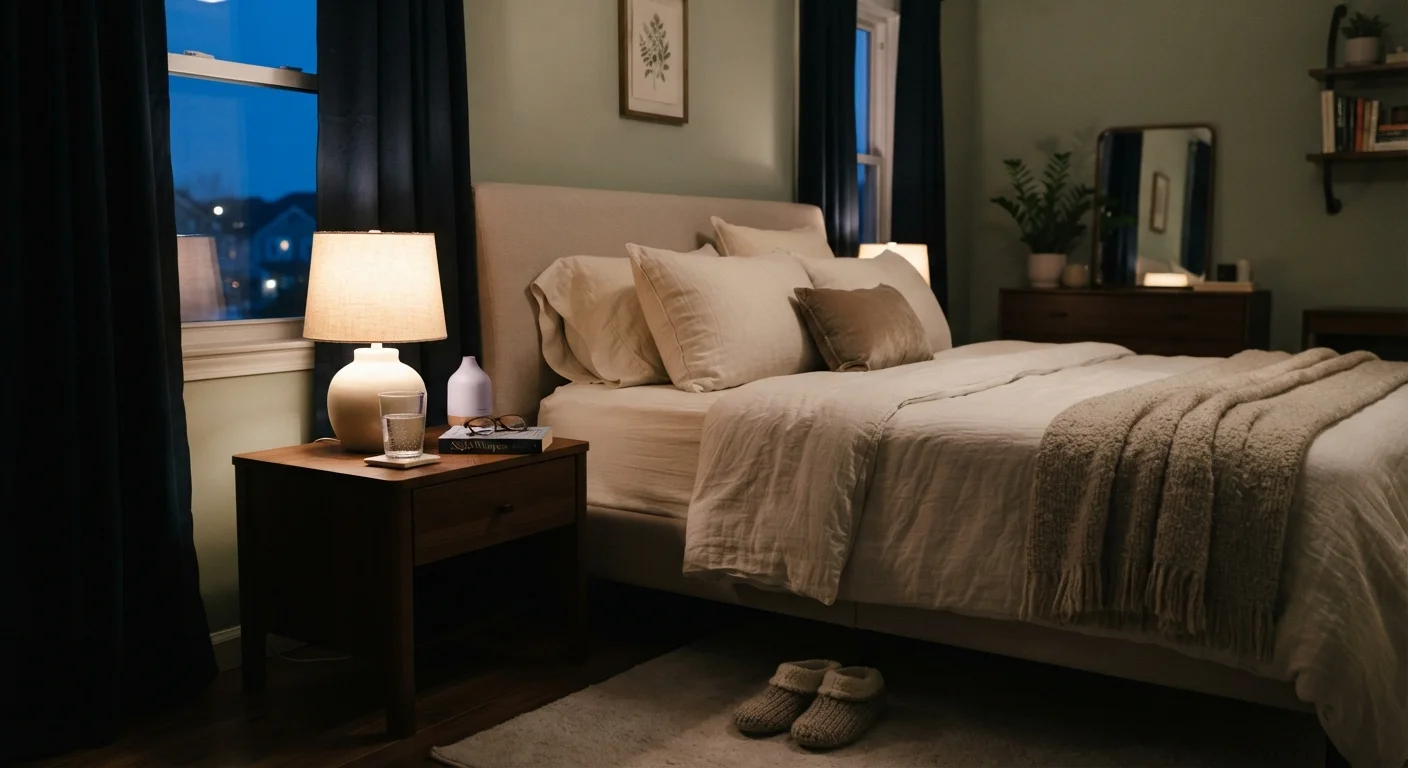
- A cool, dark, and quiet bedroom environment is one of the most evidence-backed conditions for quality sleep.
- Stress and mental arousal at bedtime are leading causes of difficulty falling or staying asleep.
Why Sleep Hygiene Actually Matters
Sleep hygiene refers to the collection of behaviors, routines, and environmental conditions that influence how well you sleep. Unlike medication or clinical interventions, sleep hygiene is something every person actively shapes - often without realizing it. The habits woven into your evenings, afternoons, and even mornings send continuous signals to your brain and body about when to wind down and when to be alert.
Poor sleep is not simply an inconvenience. Research consistently links chronic sleep insufficiency to impaired memory, mood disruption, weakened immune response, and increased risk of several long-term health conditions. The good news is that many sleep difficulties are responsive to behavioral changes. Understanding what your habits are actually doing - and adjusting accordingly - can meaningfully shift how you rest. This content is for general informational purposes and is not a substitute for advice from a qualified healthcare professional.
For a broader look at how small daily choices compound over time, see how minor daily rituals shape long-term wellbeing.
Core Habits That Support Consistent, Restorative Sleep
The following evidence-backed practices form the foundation of effective sleep hygiene. No single habit works in isolation - it's the cumulative pattern that matters most.
Anchor your sleep schedule to fixed wake and bedtimes - even on weekends
Your circadian rhythm, the body's internal clock, is highly sensitive to consistency. Irregular sleep timing causes a form of social jet lag that fragments sleep quality and leaves you feeling unrested even after adequate hours. Keeping a stable schedule reinforces the timing cues your brain relies on to release sleep-promoting hormones like melatonin.
Limit screen exposure in the 60-90 minutes before bed
Electronic screens emit short-wavelength blue light that suppresses melatonin production and increases alertness - both counterproductive at bedtime. Beyond the light itself, engaging content stimulates cognitive arousal, making it harder to downregulate mentally. Dimming screens or switching to non-stimulating activities signals the brain that the day is ending.
Cut off caffeine consumption at least 6 hours before your intended bedtime
Caffeine is a stimulant with a half-life of roughly 5-7 hours in most adults, meaning a significant portion remains active in your system well into the evening. It works by blocking adenosine receptors - adenosine being the chemical that builds sleep pressure throughout the day. Even if you feel like caffeine doesn't affect you, it may be quietly reducing sleep depth.
Keep your bedroom cool, dark, and quiet
Core body temperature naturally drops during sleep onset. A cooler room (commonly suggested in the range of 65-68°F, though individual comfort varies) supports this thermoregulation process. Darkness prevents light from signaling wakefulness to the brain, while minimizing noise reduces micro-arousals that fragment sleep architecture - even when they don't fully wake you.
Build a consistent pre-sleep wind-down ritual
The brain benefits from transition cues - activities that reliably precede sleep teach the nervous system to associate them with downregulation. A short, consistent sequence of calming actions (reading, gentle stretching, a warm shower) can reduce the mental activation that keeps many people lying awake. Rest itself is a legitimate wellness priority, as explored in the context of rest as a mental health practice.
Reserve the bed primarily for sleep
Working, watching television, or scrolling in bed weakens the mental association between the bed and sleep. Through a process similar to classical conditioning, the brain begins to associate the bed with wakefulness and stimulation instead of rest. Keeping the bed a sleep-dedicated space reinforces the cue that lying down means winding down.
Pair Sleep Habits With What You Eat
Diet and sleep are more closely linked than many people realize. Heavy meals close to bedtime can disrupt sleep onset, while alcohol - often mistaken for a sleep aid - fragments sleep architecture and reduces time spent in restorative stages. For broader guidance on everyday nutrition habits, explore the Nutrition & Diet hub.
Quick Wins You Can Start Tonight
If overhauling your entire routine feels overwhelming, start small. A few targeted actions tonight can begin shifting your sleep environment and pre-bed mental state in the right direction.
For a structured approach to your evening, the Evening Wind-Down checklist offers practical guidance from screen time to tomorrow's prep - all aimed at closing the day with intention.
When Lifestyle Changes Aren't Enough
Sleep hygiene practices are effective for many people with common sleep difficulties, but they are not a substitute for clinical evaluation. Conditions such as sleep apnea, restless legs syndrome, or clinically significant insomnia require professional assessment and tailored treatment. If sleep problems persist despite consistent habit changes, speak with a qualified healthcare provider rather than continuing to self-manage.
This article is for general informational purposes only and does not constitute medical advice. If you experience persistent sleep difficulties, consult a qualified healthcare professional.