

Key Takeaways
- A budget is a spending plan, not a punishment or a sign of financial struggle.
- Budgets work at any income level - the amount matters less than the intentionality.
- Most people misunderstand budgeting as restriction; it's actually about directing money toward goals.
- A budget must be revisited regularly - it's a living tool, not a one-time document.
- Even an imperfect budget beats having no plan at all.
Personal Budget
A personal budget is a written or recorded plan that compares the money you expect to receive (income) against the money you plan to spend or save (expenses) over a set period - typically one month. It tells your dollars where to go before they arrive, rather than wondering where they went afterward. Think of it as a financial map: it shows you your current position, your destination, and the route between the two.
In personal finance, a budget is formally described as a forward-looking spending plan built on projected cash flows - distinguishing it from a financial statement, which records what already happened.
The Misunderstanding That Holds Most People Back
Ask someone why they don't have a budget, and you'll hear a familiar short list: "It feels too restrictive," "I don't make enough to bother," or "I tried once and it didn't work." These responses share a common root - a fundamental misreading of what a budget actually is.
A personal budget is not a financial straitjacket. It is not reserved for people in debt, people with low incomes, or people who are bad with money. And it is not a one-time exercise that either works perfectly or fails completely. It is a plan - a deliberate, forward-looking record of how you intend to use the money that flows through your life.
The confusion often comes from the word itself. "Budget" carries cultural baggage suggesting scarcity and sacrifice. In reality, a budget is neutral: it describes a spending intention, not a spending limit. High earners use budgets. Retirees use budgets. People saving for a vacation use budgets. What they share is the habit of deciding in advance, rather than discovering after the fact. For a closer look at the myths that stop people before they start, see common budgeting misconceptions worth examining.
Budgeting vs. Accounting: A Key Distinction
A budget looks forward - it plans future spending based on expected income. Accounting and expense tracking look backward - they record what already happened. Both are useful, but they serve different purposes. The most effective financial habits combine forward-looking budgeting with regular backward-looking reviews to see how the plan is holding up.
What a Budget Actually Contains
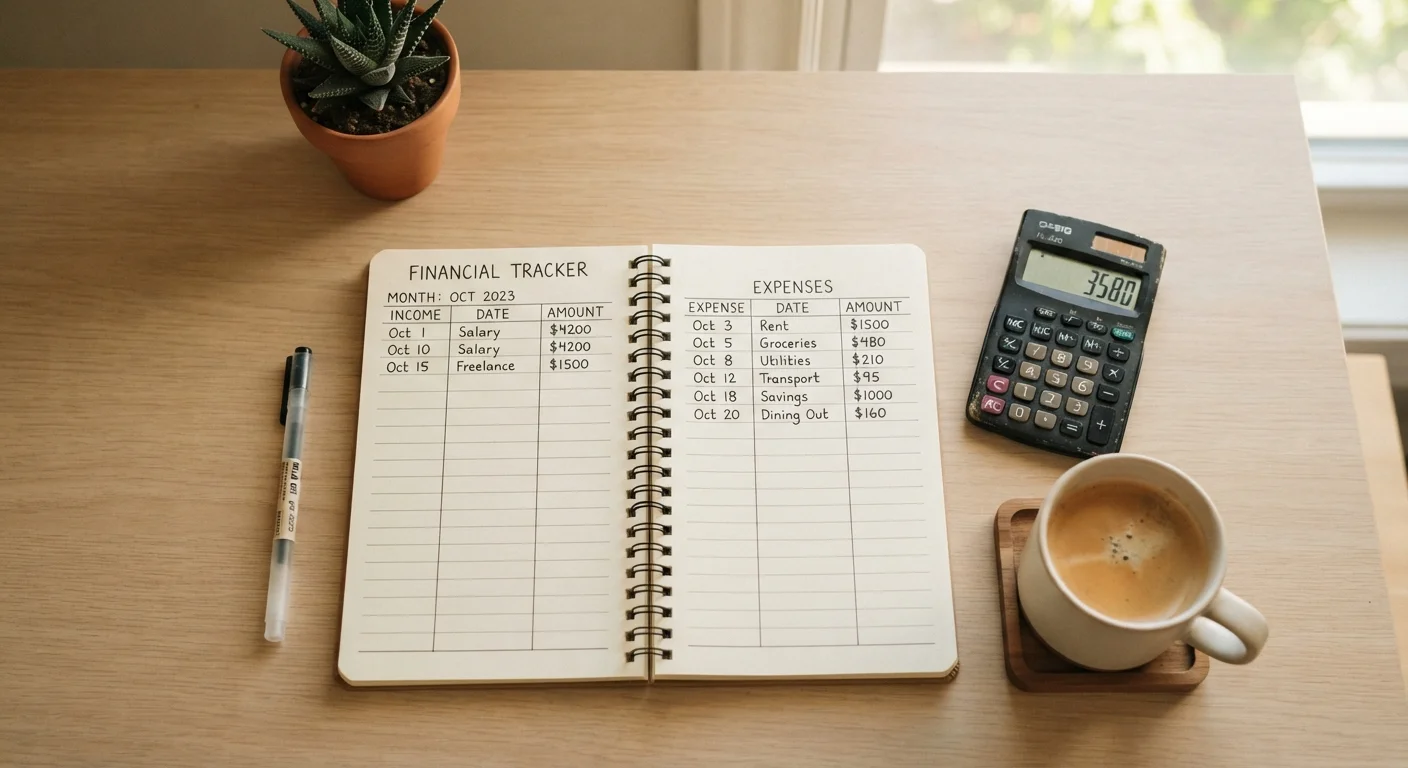
At its core, every personal budget has two sides: income and expenses. Income is every dollar expected to come in - wages, freelance pay, side income, benefits. Expenses are every anticipated outflow - rent, groceries, loan payments, subscriptions, savings contributions.
A budget assigns every dollar of income to a category before the month begins. When income and planned expenses balance - or when planned savings and spending total exactly what you earn - you have what many financial educators call a "zero-based" budget. Other frameworks organize money differently (such as the 50/30/20 rule, which divides income into needs, wants, and savings), but the underlying principle is the same: money is given a purpose before it is spent.
Expenses typically fall into two groups:
- Fixed expenses - amounts that stay roughly the same each month, such as rent or a car payment.
- Variable expenses - amounts that fluctuate, such as groceries, gas, or entertainment.
Understanding both categories is essential to building a budget that holds up in real life. If you encounter unfamiliar terms along the way, this glossary of key budgeting terms covers the vocabulary you'll encounter most often.
~33%
Americans with a written monthly budget
Various consumer surveys consistently find that roughly one in three U.S. adults reports maintaining a detailed monthly budget, suggesting most households manage money without a formal plan.
$1,000
Emergency savings threshold many lack
Federal Reserve research has found a significant share of U.S. adults would struggle to cover an unexpected $1,000 expense, illustrating the real-world cost of spending without a plan.
60%+
Adults living paycheck to paycheck at times
Multiple financial wellness surveys suggest a majority of Americans have experienced periods of paycheck-to-paycheck living, regardless of income level - a pattern budgeting is specifically designed to address.
Why It's a Living Tool, Not a Static Document
One reason early budgeting attempts often stall is that people treat a budget as something to set once and follow perfectly. In practice, a budget requires regular review - typically monthly - because income shifts, unexpected expenses arise, and priorities evolve. A car repair, a pay raise, or a new insurance premium all change the math.
The value of a budget isn't in perfection - it's in the habit of looking. When you know where your money is supposed to go, you immediately notice when it doesn't. That awareness is far more powerful than any rigid spending rule.
Build In a Buffer From the Start
New budgeters often underestimate variable expenses like groceries, gas, and household supplies. A practical approach: track your actual spending for one month before building your first budget, then use those real numbers as your baseline. Adding a small buffer - even 5-10% - in flexible categories can prevent the frustration of busting your plan in the first week.
Different people find different structures useful. Some prefer a detailed category-by-category approach; others use a broader framework like paying themselves first before any other expense. A tour of popular budgeting frameworks can help clarify which approach fits your habits and goals.
If you're ready to move from understanding to action, our plain-language walkthrough for first-time budgeters provides a structured starting point. And for a comprehensive reference covering everything from setup to long-term adjustment, Budgeting From the Ground Up covers the full picture in one place.
This article is for general informational and educational purposes only. It does not constitute personalized financial advice. For guidance specific to your situation, consider consulting a qualified financial professional.