

Key Takeaways
- Sinking funds separate planned future expenses from your regular monthly budget.
- Contributing small, consistent amounts prevents large bills from derailing your finances.
- Multiple sinking funds can run simultaneously, each covering a different expense category.
- They differ from emergency funds, which are reserved for unexpected costs.
- Automating contributions makes sinking funds easier to maintain over time.
Sinking Fund
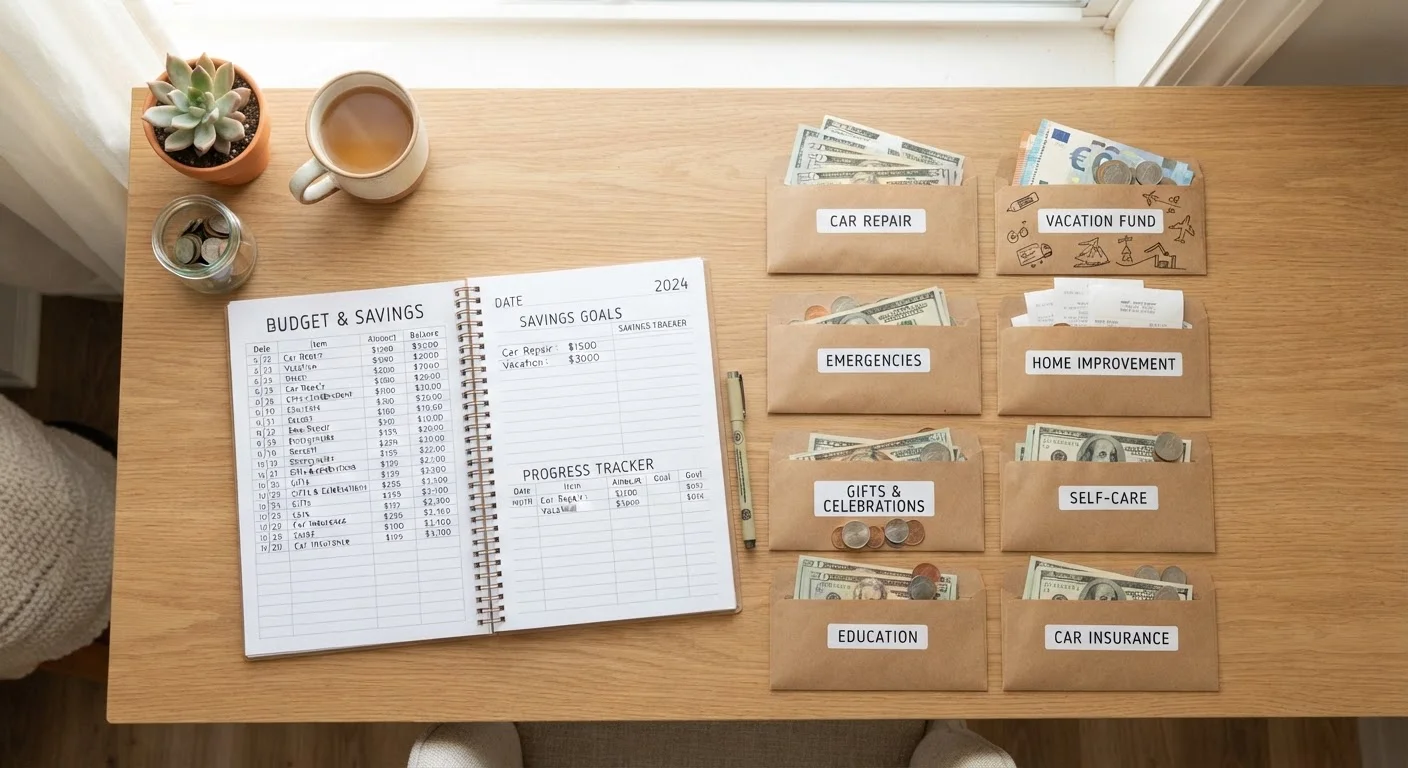
A sinking fund is a dedicated savings pool you build gradually over time to cover a specific, planned future expense. Instead of scrambling for cash when a large bill arrives, you set aside a fixed amount each month until the target is reached. Common examples include car repairs, holiday gifts, annual insurance premiums, and home maintenance costs.
Unlike an emergency fund - which covers unpredictable events - a sinking fund targets expenses that are predictable in nature, even if their exact timing or amount varies slightly.
The Problem With Lump-Sum Expenses
Most monthly budgets are built around recurring costs: rent, utilities, groceries, loan payments. But life regularly delivers large, predictable expenses that don't fit neatly into a single month - a car registration fee, a home insurance renewal, or a holiday travel budget. Without a plan, these costs tend to arrive as a shock, forcing people to dip into savings, carry credit card debt, or simply go without.
This pattern is one of the most common reasons well-intentioned budgets break down. It isn't a failure of willpower - it's a structural gap. Sinking funds close that gap by turning lump-sum future costs into small, manageable monthly contributions. If you've ever felt frustrated by budget surprises, you might also find it useful to examine common budget misconceptions that can get in the way of progress from the start.
~$1,400
Median unexpected expense American households face
Federal Reserve research on household financial resilience has consistently found that large, unplanned expenses strain budgets most - underscoring the value of pre-saving for predictable costs.
40%
Adults who would struggle to cover a $400 emergency
According to Federal Reserve surveys, a significant share of U.S. adults lack readily available funds to absorb even moderate unexpected costs without borrowing or selling something.
How Sinking Funds Work in Practice
The math behind a sinking fund is straightforward. Identify an upcoming expense, estimate its total cost, count the months until you'll need the money, and divide. If your car registration costs $240 and is due in six months, you contribute $40 per month to that fund. When the bill arrives, the money is already there.
Most people maintain several sinking funds at once, each tied to a different category. Common ones include:
- Vehicle maintenance and registration
- Home repairs and appliances
- Annual insurance premiums
- Holiday gifts and travel
- Medical or dental costs
Each fund operates independently. When you spend from one, the others remain intact. This structure is explained alongside other essential money vocabulary in the budgeting terms glossary worth bookmarking for reference.
Automate Contributions on Payday
Schedule automatic transfers into each sinking fund on the same day you receive your paycheck. This 'pay yourself first' approach means the money is allocated before you have a chance to spend it elsewhere. Even $10 or $20 per fund per month compounds meaningfully over time.
Sinking Funds vs. Emergency Funds
These two tools are often confused, but they serve distinct purposes. An emergency fund exists to absorb truly unexpected events - sudden job loss, an unplanned medical procedure, or a major appliance failure that wasn't on your radar. It should remain untouched unless a genuine emergency occurs.
A sinking fund, by contrast, is designed to be spent. It's built for costs you can anticipate, even approximately. Pulling from your car-maintenance sinking fund when your brakes need replacing isn't a budget failure - it's the plan working exactly as intended.
Sinking Funds Are Meant to Be Spent
Unlike long-term savings or retirement contributions, sinking funds are intended to reach zero - or close to it - when the target expense arrives. That's not a setback; that's the mechanism working correctly. Once the expense is paid, simply restart contributions for the next cycle.
Understanding this distinction helps protect your emergency fund from being raided for expenses that were actually predictable. For a broader look at how sinking funds fit into different financial approaches, see popular budgeting frameworks.
Making Sinking Funds a Lasting Habit
The most effective sinking funds run on autopilot. Setting up automatic transfers on payday - even small ones - removes the decision from your monthly to-do list and makes saving the default behavior rather than a deliberate act.
Labeling accounts or sub-accounts by purpose (many online banks offer this feature) reinforces the intention behind each fund and reduces the temptation to merge pots. Reviewing your sinking fund targets once or twice a year keeps contribution amounts aligned with actual costs, which tend to shift over time.
Sinking funds pair naturally with other saving habits. For a practical walkthrough on structuring your overall budget to make saving automatic, see building your first budget around savings goals. And for the behavioral side of staying consistent, habits that make budgets stick offers evidence-informed strategies worth reviewing.
This article is for general informational and educational purposes only and does not constitute personalized financial advice. Consult a qualified financial professional regarding decisions specific to your situation.