

| Total dashboard warning lights (typical modern vehicle) | 50-200+ possible indicators (Varies significantly by vehicle make, model, and feature set) |
| Most frequently triggered light | Check Engine (amber) (Based on OBD-II scan data from automotive service surveys) |
| TPMS required on new US vehicles since | 2008 model year (NHTSA Federal Motor Vehicle Safety Standard No. 138) |
| Color coding: red lights mean | Stop or act immediately (Standard across most manufacturers; verify in your owner's manual) |
| Free OBD-II code scans | Available at many auto parts retailers at no charge (Policies vary by location; does not replace professional diagnosis) |
Why Dashboard Lights Exist (and Why They're Not All Emergencies)
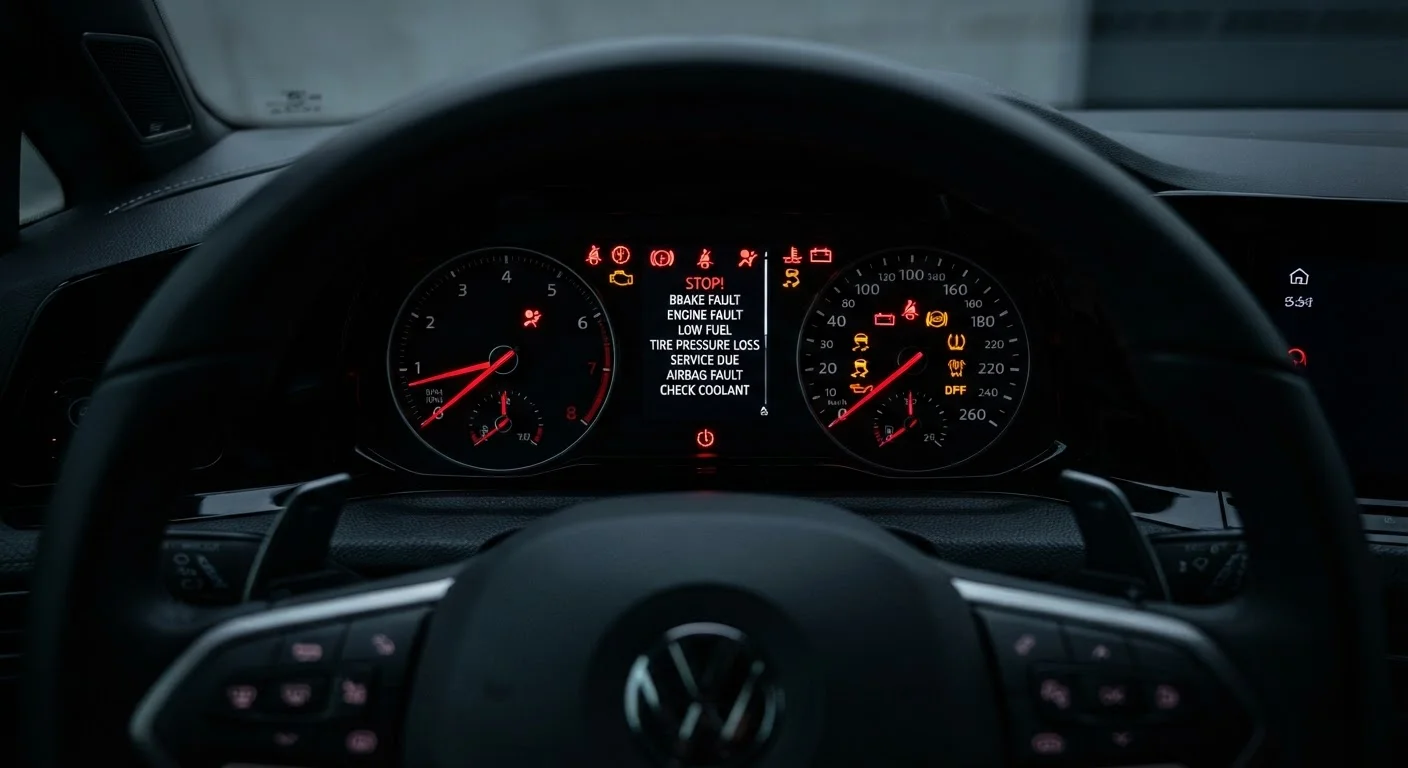
Modern vehicles use an onboard diagnostics system - often called OBD - to continuously monitor dozens of mechanical, electrical, and safety-related parameters. When something falls outside acceptable range, the system triggers a dashboard indicator. These lights range from routine reminders (time for an oil change) to genuine emergencies (stop driving immediately).
Color is your first signal of urgency. Red lights are high-priority warnings - something is wrong and action is needed now. Amber or yellow lights typically signal a fault that needs attention soon but may not require pulling over instantly. Green or blue lights are generally informational, confirming that a feature is active rather than flagging a problem.
If you're new to vehicle ownership, the realities of car ownership article covers other common surprises alongside maintenance basics.
| Total dashboard warning lights (typical modern vehicle) | 50-200+ possible indicators (Varies significantly by vehicle make, model, and feature set) |
| Most frequently triggered light | Check Engine (amber) (Based on OBD-II scan data from automotive service surveys) |
| TPMS required on new US vehicles since | 2008 model year (NHTSA Federal Motor Vehicle Safety Standard No. 138) |
| Color coding: red lights mean | Stop or act immediately (Standard across most manufacturers; verify in your owner's manual) |
| Free OBD-II code scans | Available at many auto parts retailers at no charge (Policies vary by location; does not replace professional diagnosis) |
The Most Common Warning Lights, Decoded
Below is a plain-language reference for the indicators most drivers encounter. Note that exact symbols and wording vary by manufacturer - always cross-reference with your owner's manual for your specific vehicle.
OBD-II
On-Board Diagnostics, second generation - a standardized system built into most vehicles sold in the US after 1996. It monitors engine, transmission, and emissions systems and generates fault codes when a problem is detected.
Fault Code (DTC)
A Diagnostic Trouble Code stored by the OBD system when a monitored parameter falls outside its acceptable range. Codes are alphanumeric (e.g., P0420) and help mechanics pinpoint which system needs attention.
TPMS
Tire Pressure Monitoring System - sensors inside each wheel that alert the driver when tire pressure drops significantly below the recommended level, typically by 25% or more.
Coolant
A fluid circulated through the engine to regulate temperature. Low or degraded coolant increases the risk of overheating and long-term engine damage.
Charging System
The alternator-and-battery circuit that keeps a vehicle's electrical systems powered while running. A failed charging system means the battery is draining without being replenished.
Lights That Require Immediate Attention
- Oil Pressure Warning (red oil can): Low oil pressure means engine components aren't being lubricated. Pull over safely, shut off the engine, and check the oil level. Continuing to drive risks severe, costly engine damage.
- Engine Temperature (red thermometer): The engine is overheating. Stop driving, allow the engine to cool, and check coolant levels only after the vehicle has fully cooled down. Driving an overheating engine can warp cylinder heads.
- Battery / Charging System (red battery symbol): The charging system has failed or the battery isn't holding charge. Electrical accessories may start failing. Have it inspected promptly - you may have limited driving time before the vehicle stops running.
- Brake Warning (red exclamation or BRAKE): Could indicate low brake fluid, worn brake pads, or that the parking brake is engaged. If the parking brake is off and the light remains, treat this as urgent.
Amber Lights: Service Needed Soon
- Check Engine (amber engine outline): This is the most misunderstood light on any dashboard. It means the OBD system detected a fault code - ranging from a loose gas cap to a misfiring cylinder. A steady light allows for a scheduled appointment; a flashing check engine light signals a more serious fault (often a misfire) and warrants prompt service.
- Tire Pressure Monitoring System or TPMS (exclamation inside a tire cross-section): One or more tires is significantly under-inflated. Check pressures at a gas station pump when tires are cold. Under-inflated tires affect handling, fuel economy, and wear rate.
- Traction Control / Stability Warning (car with wavy lines): If it flashes while driving on a slippery surface, the system is actively working - that's normal. A steady light may mean the system has been switched off or has malfunctioned.
- Transmission Temperature: Transmission fluid is overheating. Reduce load (stop towing if applicable) and have the transmission inspected.
For a broader view of scheduled service intervals that keep these systems healthy, see how to read your maintenance schedule.
Flashing vs. Steady Check Engine Light
A steady check engine light and a flashing one are not the same alert. A steady light generally means a fault has been detected but the vehicle can often be driven carefully to a service appointment. A flashing check engine light typically signals an active engine misfire, which can damage the catalytic converter quickly. If the light is flashing, reduce speed, avoid hard acceleration, and seek service promptly.
What to Do When a Light Comes On
Your first step should always be to consult your owner's manual - the symbol index is usually in the first 50 pages. If a red light appears, avoid dismissing it as a false alarm without verification. Many auto parts retailers offer free OBD-II code scans that identify which system triggered a check engine light, giving you useful information before you visit a mechanic.
Keep in mind that clearing a fault code without fixing the underlying cause will typically cause the light to return. A qualified mechanic can interpret codes in context and recommend the appropriate repair. Warning lights are the vehicle's communication system - treating them as nuisances rather than information increases the risk of both breakdowns and costly repairs down the road.
This article is for general informational purposes only. Always consult a qualified mechanic for diagnosis and repair decisions specific to your vehicle.