

Key Takeaways
- Stress triggers real, measurable physical changes - not just emotional discomfort.
- Chronic stress elevates cortisol, which can impair immune function, digestion, heart health, and memory.
- The brain's structure can actually change under prolonged stress, particularly the prefrontal cortex and hippocampus.
- Not all stress is harmful - short bursts can sharpen focus and build resilience.
- Lifestyle habits like exercise, sleep, and breathing practices can meaningfully reduce the physiological burden of stress.
- Persistent or debilitating stress symptoms warrant professional evaluation - this content is for general education only.
Chronic Stress Response
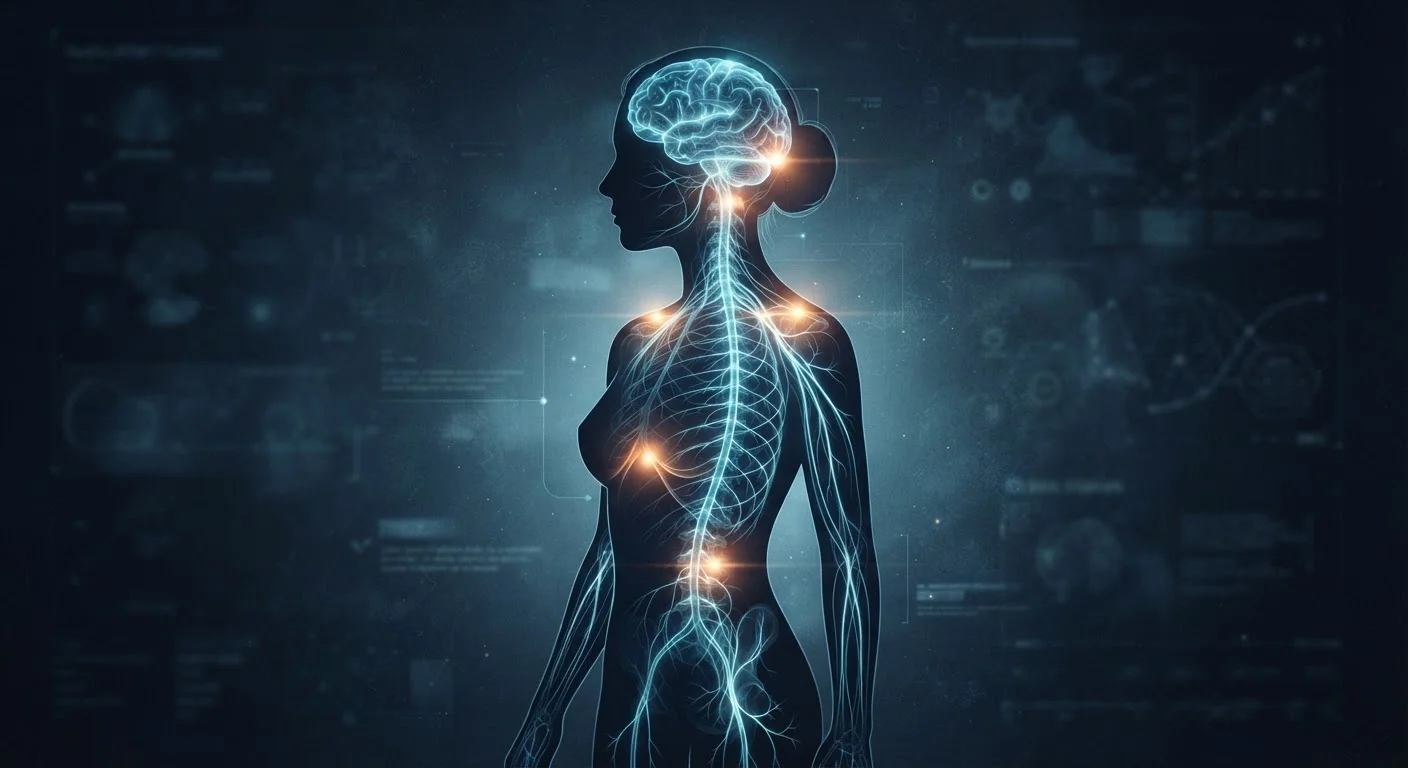
Stress is your body's built-in alarm system - a cascade of hormones and physical changes designed to help you react quickly to danger. Acute stress (short-lived) is normal and generally harmless. Chronic stress occurs when that alarm stays switched on over weeks or months, causing the body to operate in a sustained state of high alert that can wear down nearly every major system.
The physiological stress response is primarily mediated by the hypothalamic-pituitary-adrenal (HPA) axis, which regulates the release of cortisol, and the autonomic nervous system, which drives the fight-or-flight reaction via adrenaline and noradrenaline.
The Alarm System That Won't Switch Off
When you sense a threat - whether it's a car cutting you off in traffic or a looming work deadline - your brain triggers a rapid hormonal cascade. The adrenal glands flood the bloodstream with adrenaline, heart rate climbs, muscles tense, and blood is redirected away from digestion toward your limbs. This is the fight-or-flight response, and in short bursts, it's genuinely useful.
The problem emerges when the threat never really resolves. Modern stressors - financial pressure, relationship conflict, social media friction - don't disappear the way a predator does. The alarm keeps sounding, and the body keeps responding. Over time, the sustained release of cortisol (your primary long-term stress hormone) begins to interfere with systems that aren't meant to stay suppressed.
Not All Stress Is the Same
Scientists distinguish between acute stress (brief, intense, and generally adaptive), chronic stress (prolonged and potentially harmful), and eustress (positive stress that motivates and engages). The type, intensity, and individual's perception of control all shape the physiological outcome. Labeling all stress as 'bad' oversimplifies a genuinely complex system.
What Chronic Stress Does to the Body
The physical toll of prolonged stress is well-documented across several body systems:
- Cardiovascular: Sustained high cortisol raises blood pressure and increases inflammation in arterial walls, both recognized risk factors for heart disease.
- Immune: While acute stress temporarily boosts immunity, chronic stress suppresses it - reducing the body's ability to fight off infections and slowing healing.
- Digestive: The gut and brain are in constant communication via the vagus nerve. Chronic stress can alter gut motility, disrupt the microbiome, and worsen conditions like irritable bowel syndrome.
- Endocrine: Prolonged cortisol elevation disrupts blood sugar regulation and can interfere with thyroid and reproductive hormones.
- Musculoskeletal: The body's continuous tension response contributes to chronic muscle tightness, headaches, and pain.
77%
Americans reporting physical stress symptoms
According to the American Psychological Association's Stress in America survey, a large majority of adults regularly experience physical symptoms they attribute to stress, including fatigue, headache, and muscle tension.
2-3×
Increased cardiovascular risk with chronic work stress
Multiple large-scale studies have found that individuals reporting chronic workplace stress face roughly two to three times the risk of cardiovascular events compared to low-stress counterparts, after controlling for other risk factors.
~20%
Reduction in hippocampal volume linked to PTSD
Neuroimaging research has documented meaningful hippocampal volume differences in individuals with chronic stress-related conditions, illustrating the brain's structural sensitivity to sustained cortisol exposure.
Stress and the Brain: More Than a Feeling
Stress doesn't just affect how you feel - it can reshape brain structure and function over time. Research using neuroimaging has shown that chronic stress is associated with:
- Hippocampal volume reduction: The hippocampus, critical for memory consolidation and learning, is particularly sensitive to cortisol. Sustained exposure is linked to measurable shrinkage in some studies.
- Amygdala hyperactivity: The amygdala - the brain's threat-detection center - can become more reactive, making individuals more prone to anxiety and emotional dysregulation.
- Prefrontal cortex suppression: This region governs rational thinking and impulse control. Under chronic stress, its influence weakens, which is why prolonged stress makes clear decision-making harder.
Importantly, many of these changes appear to be reversible. Evidence suggests that consistent stress-reduction practices - including regular physical activity - can support neuroplasticity and recovery. Physical activity and mood are genuinely linked, and the mechanism partly runs through these same stress-response pathways.
“The brain is not a static organ. Evidence consistently shows it retains the capacity to reorganize and recover - but that capacity depends heavily on reducing allostatic load, the cumulative wear from chronic stress.”
— Bruce McEwen, Neuroendocrinologist and pioneer in stress and brain research, Rockefeller University
Managing the Load: What the Evidence Supports
No single strategy eliminates stress - nor should it. The goal is building a physiological buffer so that daily stress doesn't accumulate into chronic burden. Several approaches have meaningful evidence behind them:
- Sleep: Sleep is when the body clears stress hormones and consolidates emotional processing. Protecting sleep duration and consistency is arguably the highest-leverage stress intervention.
- Controlled breathing and mindfulness: Slow diaphragmatic breathing activates the parasympathetic nervous system, directly countering the fight-or-flight state. Mindfulness and deep breathing serve related but distinct purposes - understanding the difference helps you choose the right tool.
- Social connection: Human connection suppresses cortisol. Isolation, by contrast, amplifies stress reactivity - a finding that has grown more relevant as researchers examine how digital social environments affect mental health.
- Perceived control: Research consistently shows that perceived control over a stressor - even when actual control is limited - significantly reduces its physiological impact.
Build Your Stress Buffer Gradually
You don't need to overhaul your lifestyle overnight. Research suggests that small, consistent habits - a 10-minute walk, a regular bedtime, a few minutes of deliberate breathing - compound over time to meaningfully reduce the physiological burden of stress. Start with one change and let it stabilize before adding another.
This article is for general informational purposes only and does not constitute medical advice. If you are experiencing symptoms you believe may be stress-related, please consult a qualified healthcare professional.