

Key Takeaways
- Credit is a record of how reliably you borrow and repay money over time.
- Three major credit bureaus compile your credit history into reports that lenders review.
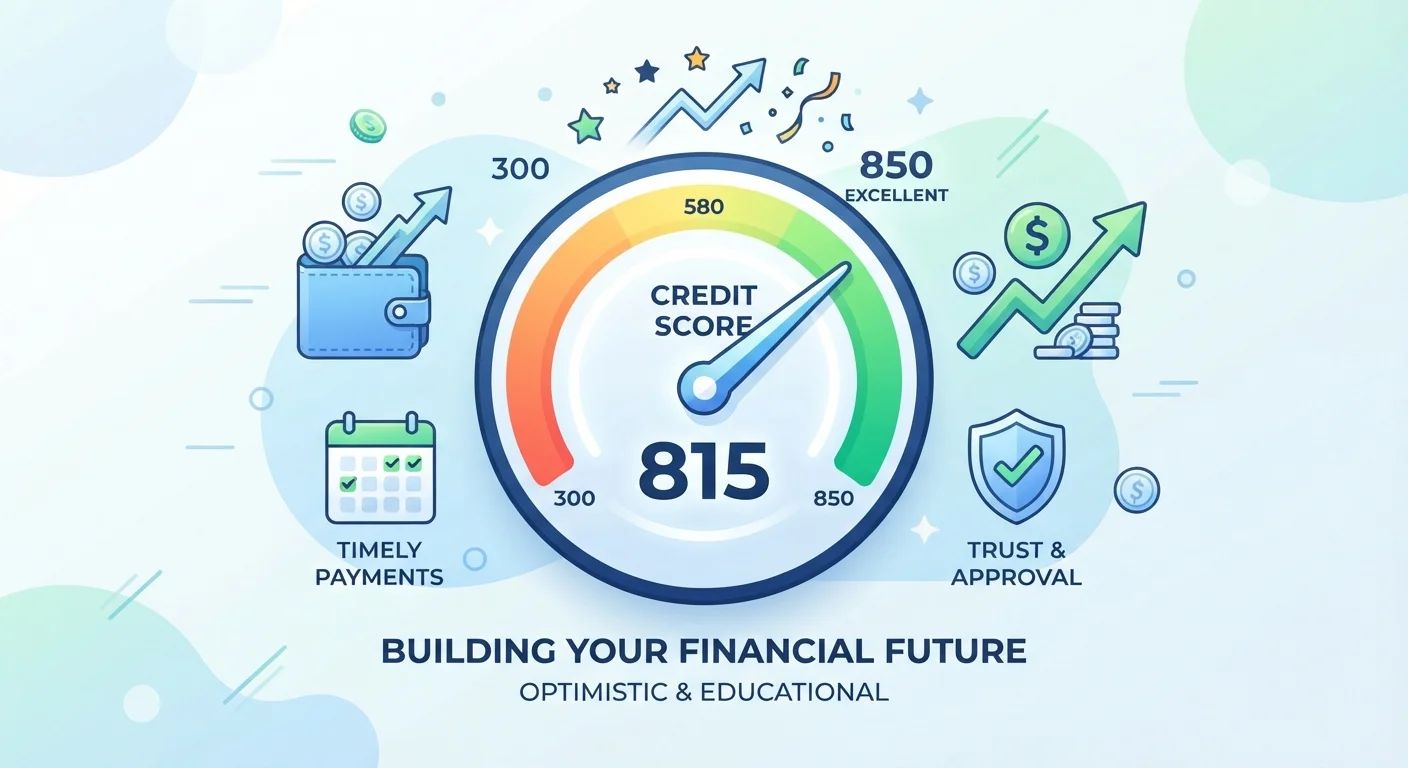
- Your credit score is a three-digit number calculated from five key factors, with payment history weighing most heavily.
- A good credit score can lower borrowing costs and open doors to housing and employment.
- Secured cards and credit-builder loans are common starting points for people with no credit history.
- Consistent on-time payments are the single most powerful habit for building and maintaining credit.
Start here
What Credit Actually Is
Next
How Credit Is Tracked and Scored
Then
Why Your Credit Score Matters
Take action
How to Start Building Credit from Zero
Stay on track
Habits That Protect Your Credit Long-Term
What Credit Actually Is
At its core, credit is a financial arrangement where a lender gives you access to money now, with the expectation that you'll pay it back later - usually with interest. Every time you borrow and repay money, you create a track record. That track record is what the financial world calls your credit history.
Think of it like a professional reputation, but for money. Lenders want to know: has this person repaid debts reliably in the past? The answer shapes what they'll offer you in the future.
Credit history
A record of how you've borrowed and repaid money over time, compiled by credit bureaus from lender reports.
Credit bureau
A private company (Equifax, Experian, or TransUnion) that collects and stores consumer credit data and produces credit reports.
Credit score
A three-digit number (typically 300-850) that summarizes your creditworthiness based on your credit report data.
Credit utilization
The percentage of your available credit you're currently using - for example, a $300 balance on a $1,000 limit equals 30% utilization.
Hard inquiry
A review of your credit report triggered by a loan or credit application; it can temporarily lower your score by a small amount.
Credit invisible
A term for someone with little or no credit history on file, making it difficult for scoring models to generate a score.
Credit history isn't just about credit cards. It includes car loans, student loans, mortgages, and even some utility or rent payments - depending on how they're reported. If you've never borrowed money before, you may have little or no credit history, which is sometimes called being credit invisible.
Understanding credit is one piece of a larger financial picture. Pairing it with smart spending habits - like those covered in the Your First Budget walkthrough - gives you a strong overall foundation.
How Credit Is Tracked and Scored
Three private companies - Equifax, Experian, and TransUnion - are known as the major credit bureaus. Lenders voluntarily report your payment behavior to these bureaus, which compile that information into a credit report: a detailed document listing your accounts, balances, payment history, and any negative marks like missed payments or collections.
From that report, scoring models calculate your credit score - a three-digit number, generally ranging from 300 to 850. The most widely used model is FICO®, though VantageScore is also common. Both weigh five main factors:
- Payment history (35%): Whether you pay on time
- Amounts owed / credit utilization (30%): How much of your available credit you're using
- Length of credit history (15%): How long your accounts have been open
- Credit mix (10%): The variety of account types (cards, loans, etc.)
- New credit (10%): Recent applications for new accounts
Payment history carries the most weight, which is why even one missed payment can have a noticeable impact. You can explore your full report in detail with our guide to reading your credit report.
Why Your Credit Score Matters
Your credit score affects more of your financial life than most people realize. Here's where it typically comes into play:
- Borrowing costs: A higher score generally qualifies you for lower interest rates on loans and credit cards, which can mean thousands of dollars saved over time.
- Housing: Landlords frequently run credit checks before approving rental applications. A thin or poor credit history can make it harder to rent an apartment.
- Employment: Some employers - particularly in finance or security-sensitive roles - review credit reports as part of background checks.
- Insurance premiums: In many states, insurers use credit-based scores as one factor in pricing auto and home insurance policies.
Free Credit Reports Are Available to You
Under federal law, you're entitled to a free credit report from each of the three major bureaus annually through AnnualCreditReport.com. Reviewing your report costs nothing and doesn't affect your score. It's one of the easiest ways to stay informed about your credit standing and catch any errors early.
It's worth noting that credit is a tool, not a measure of personal worth. A low score today doesn't define your future - it's simply a starting point. Consistent behavior over time is what moves the number.
For a broader view of how saving and growing money fits alongside credit, the Saving & Investing hub is a useful next stop.
How to Start Building Credit from Zero
If you have no credit history, the challenge is a bit circular: you need credit to build credit. But there are reliable ways in.
Watch Out for Credit-Building Scams
Some companies advertise fast credit repair or guaranteed score boosts for a fee. Legitimate credit improvement takes time and consistent behavior - there are no shortcuts. Be cautious of any service that promises to remove accurate negative information or asks for payment upfront before delivering results.
- Secured credit card: You deposit a sum of money (typically $200-$500) as collateral, and that becomes your credit limit. Use it for small purchases and pay the balance in full each month. The card issuer reports your activity to the bureaus, building your history.
- Credit-builder loan: Offered by some credit unions and community banks, these loans work in reverse - the lender holds the loan funds in a savings account while you make monthly payments. At the end of the term, you receive the funds and have a payment history on record.
- Authorized user status: A family member or trusted friend with good credit can add you to their existing card account. Their positive history on that account may appear on your report.
Each option has different costs, timelines, and mechanics. Our article on secured cards vs. credit-builder loans breaks down the differences side by side.
This article is for general informational purposes only and does not constitute personalized financial advice. Consult a qualified financial professional for guidance specific to your situation.
Habits That Protect Your Credit Long-Term
Building credit is a starting line, not a finish line. Once you have a score, maintaining it takes consistent behavior over time. A few habits make the biggest difference:
- Pay on time, every time. Set up autopay for at least the minimum due if you're worried about forgetting. On-time payments are the single most important factor in your score.
- Keep utilization low. Try to use less than 30% of your available credit limit at any given time. Lower is generally better for your score.
- Don't apply for multiple accounts at once. Each application triggers a hard inquiry. Several in a short period can signal financial stress to lenders.
- Keep older accounts open. Account age contributes to your score. Closing an old card - even one you rarely use - can shorten your credit history and reduce available credit.
Some of the most damaging credit habits are surprisingly subtle. The habits that quietly undermine a good credit score article covers the ones most people don't see coming. And if you're thinking decades ahead, the long-game guide to credit explains how to sustain strong credit through every life stage.