

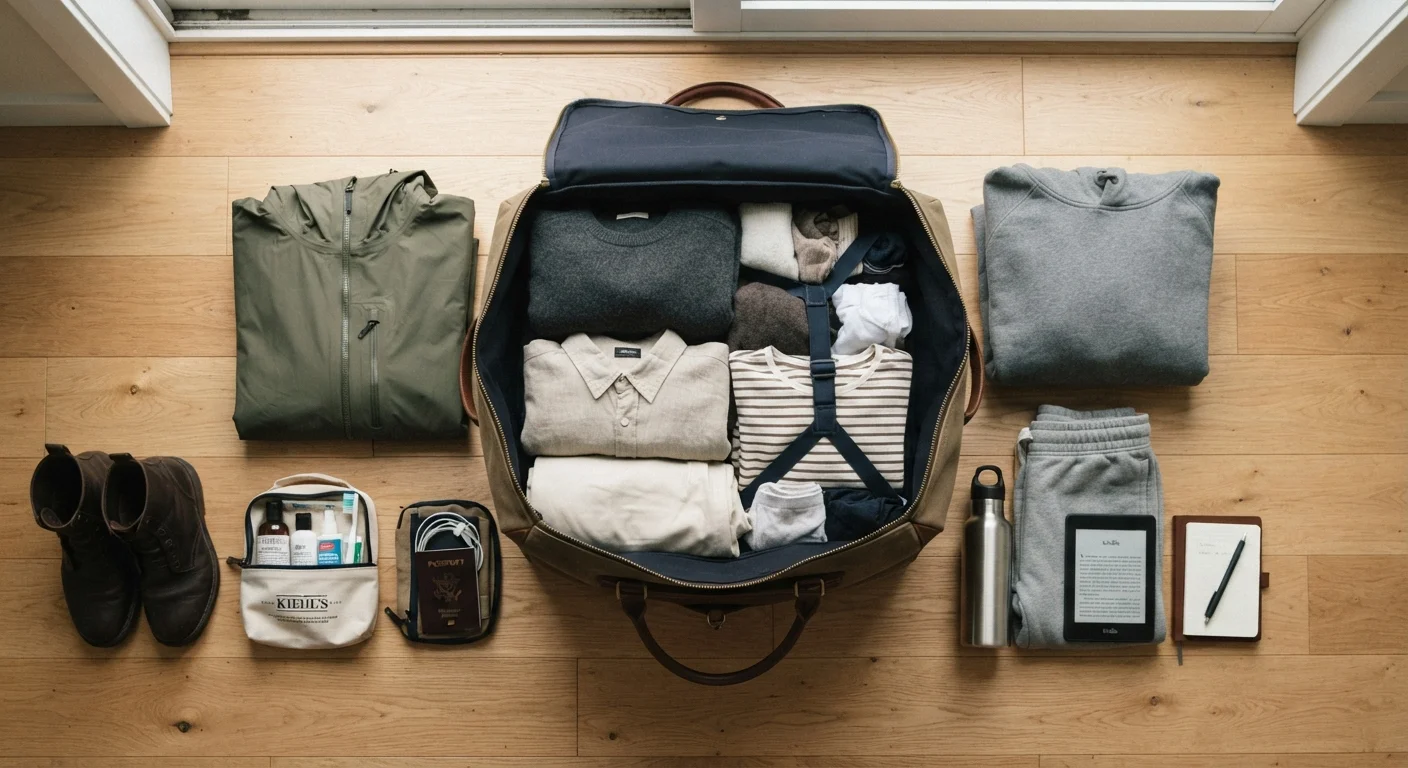
Key Takeaways
- Layering systems beat packing multiple heavy garments for unpredictable climates.
- A destination's expected temperature range matters more than its season label.
- Neutral-colored clothing multiplies outfit options without adding extra items.
- Leaving 20% of bag space empty prevents scrambling when you bring things home.
- Toiletries and shoes consume the most unplanned space - plan those categories first.
What you will need
Why Climate-Flexible Packing Is a Skill, Not a Shortcut
Packing well isn't about minimalism for its own sake. It's about arriving somewhere new with exactly what you need - no more, no less - so the bag serves the trip rather than complicating it. That balance is harder to strike when a journey spans different climates, activities, and formality levels, which is increasingly common for travelers mixing cities, nature, and day trips within a single itinerary.
The good news is that the principles behind versatile packing are consistent regardless of destination. Whether you're heading to coastal Iceland or a multi-city Southeast Asia trip, the same framework applies: understand the range, build for overlap, and edit ruthlessly. See our carry-on vs. checked luggage guide to first settle on what kind of bag you're working with before you start filling it.
What you will need
Before diving into the steps below, it also helps to have your itinerary drafted. If you're still working through the logic of day-by-day planning, what a travel itinerary should actually include walks through how to structure one that's practical rather than overly rigid.
Packing cubes (set of 3-4)
Compartmentalize clothing categories so items stay organized and compressed throughout the trip.
Lightweight rain jacket or packable shell
Provides weather protection without the bulk of a heavy coat, doubling as a wind layer.
Compression dry bags
Protect electronics and documents from moisture and further compress soft items.
Luggage scale
Confirms bag weight before departure to avoid airline overweight fees.
Step-by-Step: Building Your Climate-Ready Packing List
The steps below are designed to be followed in sequence. Each one narrows your packing decisions based on the previous, so skipping ahead tends to produce the same overpacked result most travelers are trying to avoid.
Research the Climate Range, Not Just the Season
Before touching a single garment, look up daily high and low temperatures for every location on your itinerary - not just the headline season. A trip that spans a coastal city and a mountain town in the same week can swing 35°F between locations. Apps and meteorological sites that show historical averages alongside current forecasts are useful here.
Note whether your destination experiences significant temperature drops after sundown, high humidity, or sudden rain. These details shape your layering decisions far more accurately than broad labels like "spring" or "tropical."
Build a Layering System Instead of Packing for Each Scenario
The layering approach - base layer, mid layer, outer shell - is the backbone of climate-flexible packing. A lightweight moisture-wicking base layer worn under a mid-weight fleece or sweater, topped by a packable rain shell, handles everything from a breezy 55°F evening to a sudden downpour without requiring separate heavy outerwear for each condition.
Choose mid layers that double as standalone pieces in mild weather - a merino wool cardigan works at dinner in a cool city and under a shell on a cold morning hike. This overlap is where smart packing actually happens.
Build Your Wardrobe Around a Neutral Color Palette
Choose three to four base colors - navy, grey, olive, and white work well - and ensure every garment in your bag mixes with at least two others. A single pair of dark pants worn with four different tops across a week creates the visual variety of seven outfits without packing seven bottoms.
Accessories like a scarf, lightweight hat, or small piece of jewelry can dramatically shift an outfit's tone without taking up meaningful space. Keep accessories intentional rather than decorative.
Allocate Space for Shoes and Toiletries First
These two categories eat disproportionate space and weight. Limit yourself to two pairs of shoes: one for walking (durable, broken-in, and versatile enough to pair with most outfits) and one for a specific purpose your walking shoe can't cover, such as sandals for beach destinations or low heels for evenings out.
For toiletries, use travel-size containers for only what you use daily. Products you "might want" once are candidates for leaving behind or buying locally. Many accommodations provide basics like shampoo and body wash, which is worth confirming before packing full bottles.
Pack the Bag and Then Remove 20%
Once you've assembled everything, pack it fully and then unpack it and set aside roughly one-fifth of the items. Force yourself to justify each piece before it goes back in. This step reliably surfaces the "just in case" items that seemed reasonable during planning but are unlikely to be used.
The space you recover isn't wasted - it accommodates souvenirs, a jacket that gets tied around your waist, or simply the ease of accessing items without repacking every morning. A bag you can open and close without effort is a bag you'll actually enjoy traveling with.
Roll Clothes to Save Significant Space
Rolling rather than folding most garments reduces bulk and limits wrinkles on casual items like t-shirts, jeans, and base layers. Reserve folding for structured pieces like blazers. Packing cubes paired with rolling can cut the apparent volume of a week's clothing nearly in half.
Verify Local Conditions Before You Finalize
Weather patterns vary significantly by elevation, microclimate, and seasonal anomalies. Always check current forecasts and local travel advisories close to your departure date - not just seasonal averages. For destinations with extreme conditions, consult official tourism or government sources. No packing list substitutes for up-to-date local knowledge.
Once your bag is packed and edited, run through your pre-departure checklist in the final days before you leave. Packing is one piece of departure preparation - documents, finances, and home logistics deserve the same structured attention. And if you're heading somewhere with genuinely demanding conditions, destination-specific research helps: planning a trip to Iceland is a useful example of how climate and terrain shape what you actually need to bring.
Avoid the 'Just in Case' Trap
Packing items for unlikely scenarios is the fastest path to an overstuffed bag. If you haven't used something on the last three trips, it probably doesn't earn a spot. Most destinations have pharmacies, laundromats, or shops where you can acquire things you genuinely forgot.