

Key Takeaways
- A vehicle history report is essential but not a substitute for a physical inspection.
- An independent pre-purchase inspection by a qualified mechanic can uncover costly hidden problems.
- Reviewing all paperwork before signing protects you from title issues and hidden liens.
- Test-driving in varied conditions - city streets, highway, hills - reveals more than a parking lot idle.
- Understanding the true ongoing costs of ownership matters as much as the purchase price.
Summary
22 items · 45-90 minutes on-site, plus additional time for third-party inspection
Why This Checklist Exists
Buying a used vehicle is one of the larger financial decisions most households make, and it's one where incomplete information can be expensive. Unlike buying a home - where inspections are standard practice - many used car purchases skip critical verification steps. The result: buyers discover transmission problems, title defects, or outstanding loans only after the deal is done.
This checklist is organized around four phases: researching the vehicle before you visit, inspecting it in person, requesting the right paperwork, and asking the seller the right questions. Work through it in order, and don't let time pressure or enthusiasm push you past any step.
Just as you'd want to spot structural issues before making an offer on a home, catching red flags on a vehicle before signing saves you from costly regret.
Before You Visit
Exterior and Structural Inspection
Interior and Mechanical Check
Test Drive
Third-Party Inspection
Paperwork and Title Verification
Tools You'll Need
You don't need specialized equipment to run a solid pre-purchase check - but having the right resources on hand will make the process faster and more reliable.
VIN History Report Service
Pulls accident records, title history, odometer data, and ownership count for the specific vehicle.
NHTSA Recall Lookup (nhtsa.gov)
Identifies any open federal safety recalls tied to the vehicle's VIN - free and publicly accessible.
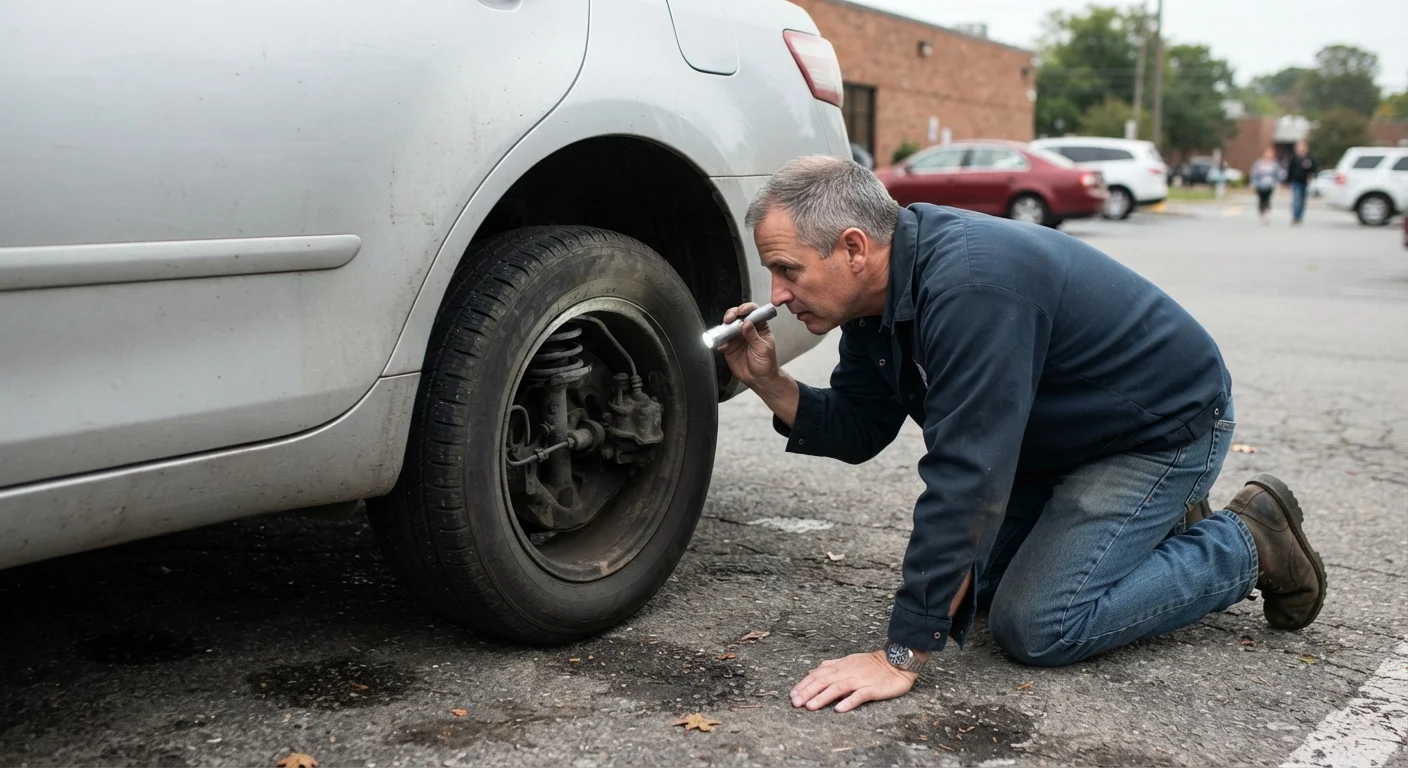
Flashlight or Phone Torch
Essential for inspecting the undercarriage, engine bay, and interior crevices in low light.
Independent Mechanic
Performs a third-party pre-purchase inspection to identify mechanical or safety issues not visible to the untrained eye.
Market Valuation Reference
Provides data on typical prices for comparable vehicles to inform your negotiating position.
State DMV Lien Search
Confirms whether any lender holds a security interest in the vehicle that must be resolved before title can transfer cleanly.
On Paperwork and Financing
Once you're satisfied with the physical inspection, the paperwork phase begins. This is where many buyers let their guard down - don't. Confirm the seller's name matches the title exactly. Ask to see the title in hand, not a photocopy. Check for any lien holder listed: if a lender is named, the loan must be paid off at closing, not later.
Never Accept a Title That Isn't in Hand
If a seller claims the title is "at the bank" or "being transferred," treat this as a serious red flag. You cannot legally own a vehicle without a clean, transferable title in your possession at closing. Completing a transaction without verifying the title leaves you exposed to ownership disputes, undisclosed liens, or a vehicle that cannot be registered in your name.
If you're financing the purchase, get your credit picture in order before visiting dealerships or private sellers. Our guide on preparing before a credit application walks through how to strengthen your position ahead of time.
After the sale closes, the work isn't over. Keeping organized maintenance records from day one protects your investment and supports resale value down the road.
Pressure to Skip Inspection Is a Warning Sign
Any seller - private or dealer - who discourages or refuses a third-party mechanical inspection should prompt serious caution. A legitimate seller with nothing to hide has no reason to restrict your ability to verify the vehicle's condition. If you're told the deal will fall through if you insist on an inspection, walking away is a reasonable response.