

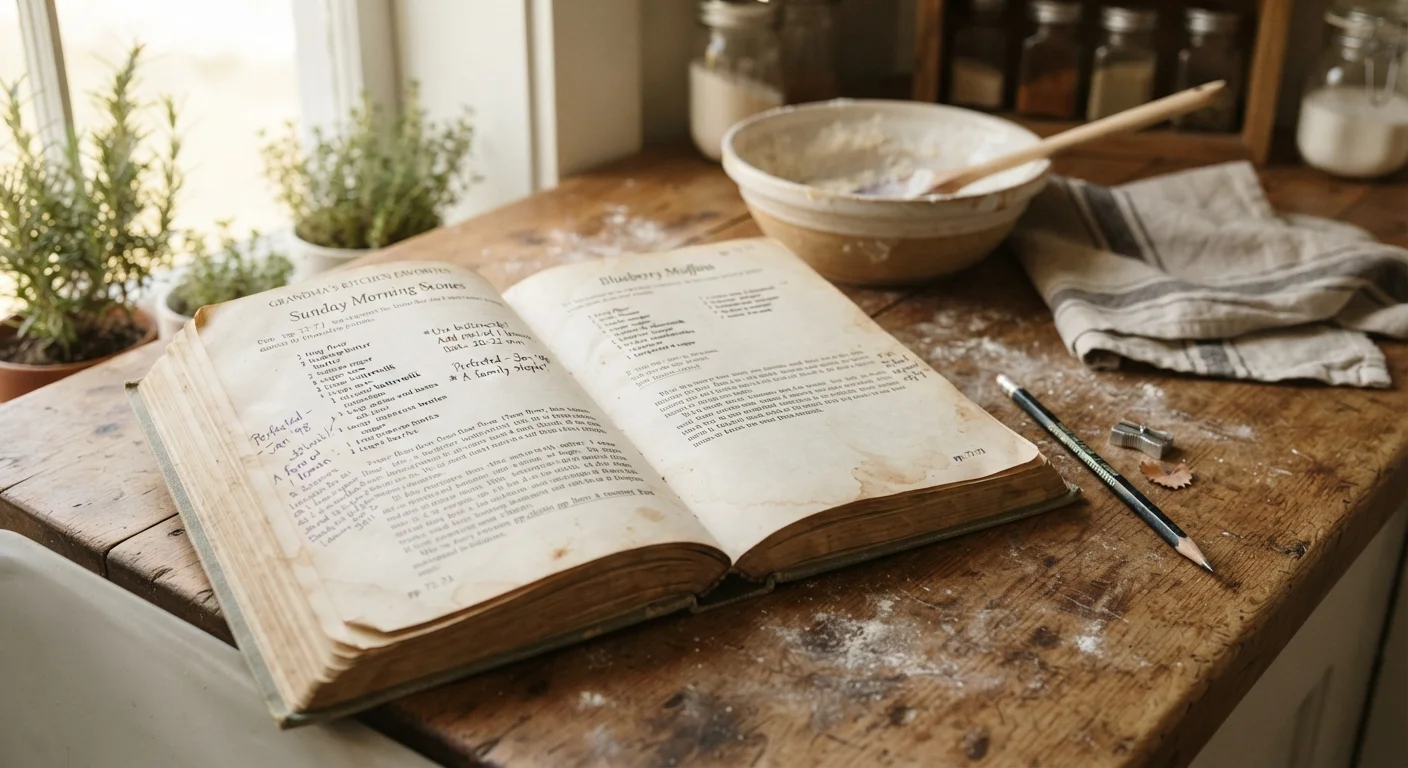
Key Takeaways
- Read the entire recipe from start to finish before touching any ingredient or equipment.
- Look up unfamiliar techniques and terms before you begin, not mid-cook.
- Pay close attention to prep instructions embedded inside ingredient lists.
- Understand the recipe's timing and sequencing so nothing catches you off guard.
- A first read-through prevents the majority of common cooking mistakes.
Why Most Recipe Struggles Start Before the Stove
A recipe is not a novel. You don't read it once and put it down. You're expected to absorb it, carry it with you, and act on it in real time - often while managing heat, timers, and hungry people nearby. That's a lot to ask of a document most of us only glance at once.
The single biggest gap between home cooks who feel confident and those who feel frustrated usually isn't skill - it's preparation. Specifically, it's how thoroughly they've read and understood the recipe before a single burner turns on.
If you've ever found yourself mid-step wondering "wait, did that need to be chopped first?" or scrambling to find a baking dish when something's already on the stove, you've experienced the cost of a quick read-over. The fix isn't complicated, but it does require a different kind of reading. For a fuller picture of how to set yourself up before you even open the fridge, our prep checklist for beginners walks through the whole pre-cook routine.
How to Read a Recipe the Way a Cook Does
Professional cooks approach a new recipe the way a pilot approaches a preflight checklist - methodically, looking for anything that could trip them up. Here are the practices that make the difference.
Read the recipe in full before you prep or cook anything.
Surprises mid-cook are where things go wrong. A full read-through reveals timing requirements, equipment you may need to locate, and steps that require ingredients to be at a specific temperature or state. It converts a recipe from a list of instructions into a mental map.
Look up any unfamiliar technique before you start.
Encountering the word "fold" or "blanch" mid-step and stopping to search it online breaks your rhythm and risks over- or undercooking something on the stove. Taking two minutes beforehand to clarify what "deglaze" means, for instance, means you can execute it confidently when the moment arrives.
Decode the ingredient list as a prep checklist.
Ingredient lists in well-written recipes tell you not just what you need, but how it should be prepped. Reading them carefully helps you understand the mise en place - everything that needs to be sliced, measured, softened, or drained before cooking begins.
Map the recipe's timeline before turning on the heat.
Many recipes have components that cook simultaneously or require precise resting periods. Understanding the sequence prevents the classic problem of having a sauce finished and cold while you're still waiting on the main component to come together.
Note where the recipe gives you judgment calls, not just instructions.
Experienced recipe writers often embed flexibility into language - "cook until golden," "season to taste," or "add more if needed." Recognizing these phrases shifts your focus from the clock to the pan, which is exactly where it should be.
Ingredient Lists Contain Hidden Instructions
When a recipe says "1 cup onion, diced" the word "diced" is a prep instruction, not just a description. The same goes for "2 cloves garlic, minced" or "butter, softened." These details tell you what state the ingredient needs to be in before it hits the pan. Missing them is one of the most common reasons a dish loses time - or flavor.
Learning to decode the ingredient list is a skill closely tied to mise en place, the French kitchen habit of prepping everything before cooking begins. The two work together naturally.
Putting It Into Practice
None of this requires culinary training - it just requires a few deliberate minutes before you dive in. Think of it as the difference between rushing through a meeting agenda and actually preparing for the conversation.
Once you're in the habit of reading recipes this way, you'll find that the cooking itself becomes far less stressful. You're no longer discovering the recipe as you go - you're executing a plan you already understand. That shift in mindset is at the heart of why recipes fail - and how to keep it from happening.
For anyone just getting started in the kitchen, pairing this skill with a structured first week of home cooking is a practical way to build both habits at once. And once you're cooking more confidently, exploring how heat levels actually work on your stove will take your recipe-reading to the next level.